35++ All Prime And Composite Numbers 1 100
All Prime And Composite Numbers 1 100. Remember that 1 is neither prime nor composite number. Prime numbers are the numbers which have only 2 factors i.e.
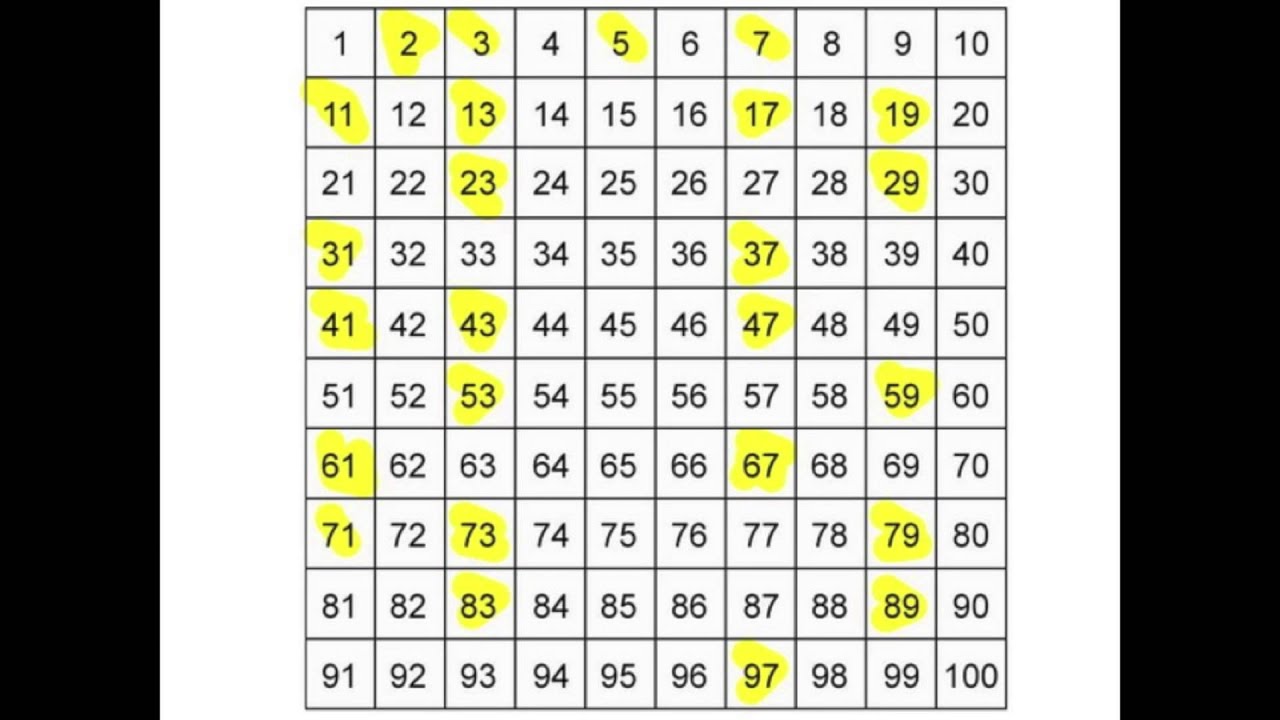 Prime numbers and composite numbers Number System From youtube.com
Step 2 find the sum of composite numbers between 1 and 100. The numbers other than prime numbers are composite numbers. 5 is a prime number.
Prime numbers and composite numbers Number System
Composite numbers can be divided by any other number including 1 and itself. Sum = 4 + 6 + 8 +. Composite numbers can be divided by any other number including 1 and itself. Except 1 each and every number is prime or composite.
 Source: sampletemplates.com
The resources below are similarly aligned. The numbers other than prime numbers are composite numbers. A composite number has factors in addition to one and itself. But composite numbers 1 to 100 contain all the numbers till 100 that has more than two factors. The factors and multiples chart above is aligned, either partially or wholly, with the standard 4oa04.
Source: youtube.com
In other words any number which has more than 2 factors are composite numbers. Sum = 4 + 6 + 8 +. The smallest odd composite number is 9. Composite number is a number which is divisible by atleast one number other than 1& itself.& also 1 is neither prime nor composite number. The number 1 is neither prime nor.
 Source: youtube.com
25 rows prime number a prime number (or a prime) is a natural number that has exactly two. 2 is the smallest prime number which is even and rest are all odd. 5 is a prime number. Composite number is a number which is divisible by atleast one number other than 1& itself.& also 1 is neither prime nor composite.