17+ Atolla Jellyfish Facts
Atolla Jellyfish Facts. Bioluminescence is the production of visible light by a living organism (herring 2004). How fast can an atolla jellyfish swim?
 10 Interesting Facts You Probably Don't Know About Jellyfish From lolwot.com
When disturbed the jelly displays a bright, flashing circle of blue light. This region is known as the “midnight zone,” because no sunlight penetrates these depths. Not having a central nervous system means that it lacks a brain.
10 Interesting Facts You Probably Don't Know About Jellyfish
The scyphozoa class encompasses more than 200 jellyfish species worldwide. Since the ones i can discover a little something about live at depths of 500 to 5,000 metres (1,640 to 16,400 feet), there may well be more. These jellyfish do not have a digestive system, a respiratory system, a circulatory system or a central nervous system. When disturbed the jelly displays a bright, flashing circle of blue light.
Source: the-schillings.com
It lives in oceans around the world. Atolla is a genus of 6 jellyfish. From this small opening it both eats and discards waste. The jellyfish’s mouth is found in the centre of its body. These incredible invertebratesuse their stinging tentacles to stun or paralyse prey before gobbling it up.
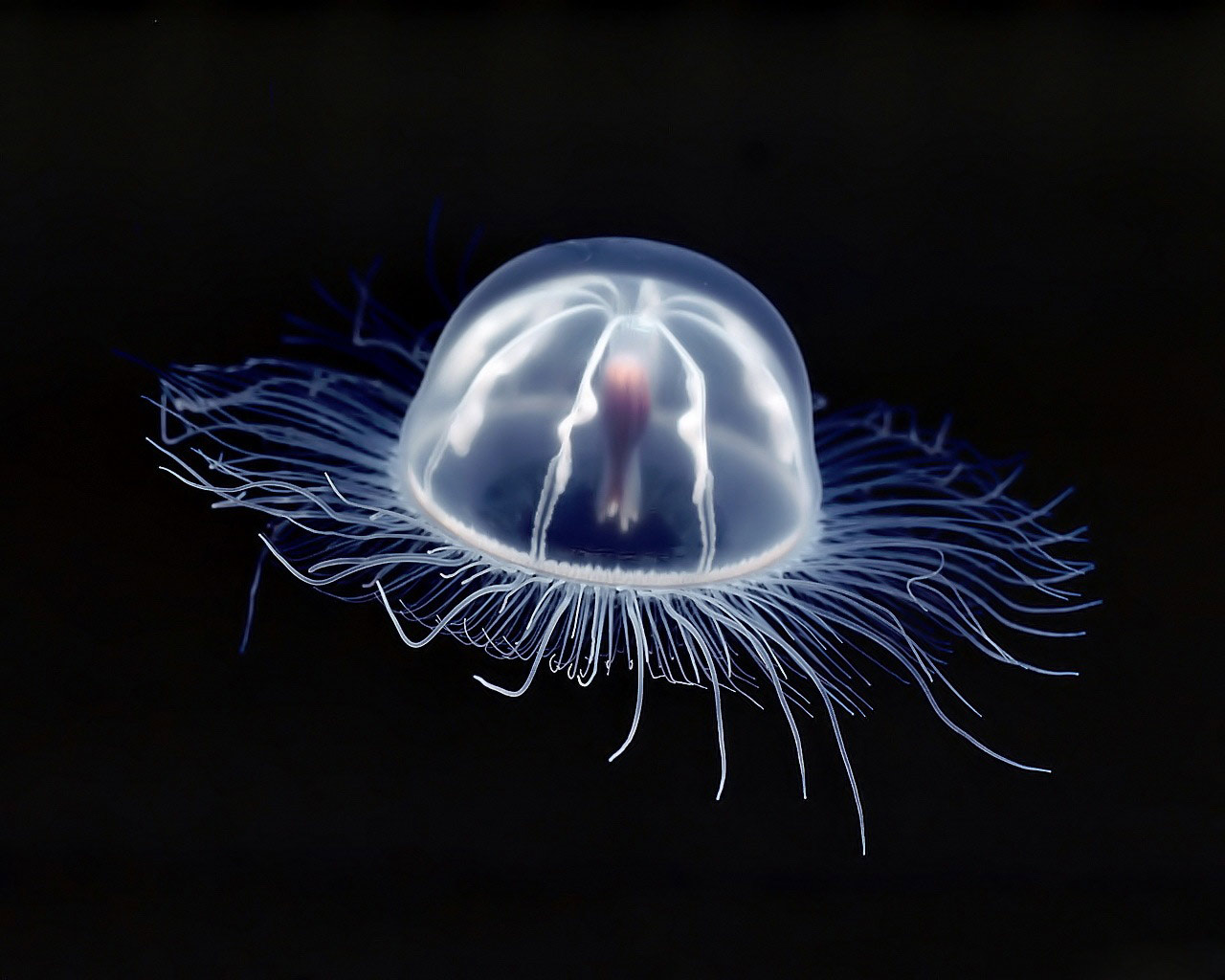 Source: animaltheory.blogspot.com
It lives in oceans around the world. There are several different species; It lives in oceans around the world. The scyphozoa class encompasses more than 200 jellyfish species worldwide. These jellyfish do not have a digestive system, a respiratory system, a circulatory system or a central nervous system.
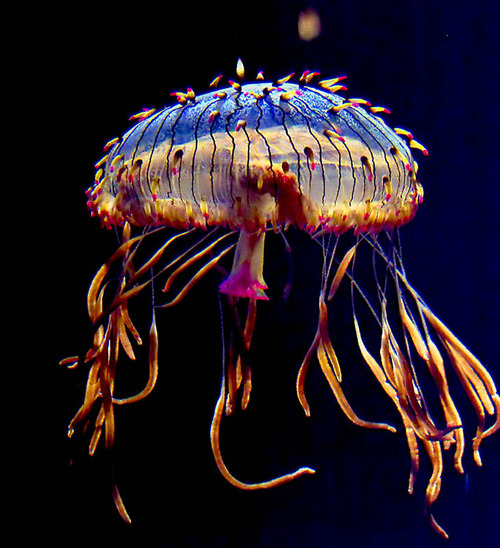 Source: life-sea.blogspot.co.uk
While many prefer to remain close to shore, scyphozoans in the atolla genus have adapted to life deep in oceans where sunlight never reaches. The atolla jellyfish live very deep in the ocean, from 1,000 to 4,000 meters deep. There are several different species; These incredible invertebratesuse their stinging tentacles to stun or paralyse prey before gobbling it up. Since.
 Source: tigerweb.towson.edu
These jellyfish do not have a digestive system, a respiratory system, a circulatory system or a central nervous system. Since the ones i can discover a little something about live at depths of 500 to 5,000 metres (1,640 to 16,400 feet), there may well be more. Or at least that's how many of them have been discovered so far. The.
" by Eyal") Source: redbubble.com
Source: redbubble.com
Atolla jellyfish from the waters of japan. Not having a central nervous system means that it lacks a brain. There are several different species; This region is known as the “midnight zone,” because no sunlight penetrates these depths. Fast facts eats crustaceans and other organic matter that floats by size:
 Source: pinterest.com
They have about 20 tentacles floating off of their bell, and then one really long one. Fast facts eats crustaceans and other organic matter that floats by size: Atolla is a genus of 6 jellyfish. Visit the encyclopedia of life. It lives in oceans around the world.
 Source: lolwot.com
There are several different species; Atolla wyvillei is found all over the globe in the deep ocean. How big is an atolla jellyfish? A kind of crown jellyfish, meaning they have a deep groove around the bell that makes them look like a crown. The atolla jellyfish live very deep in the ocean, from 1,000 to 4,000 meters deep.