38+ Atolla Jellyfish Fun Facts
Atolla Jellyfish Fun Facts. Atolla wyvillei has adapted a safety response to avoid predation. Their cells (nematocysts) inject anything that brushes against them with toxins, which cause the sting.
 Awsome Jellyfish pictures, Jellyfish, Jellyfish facts From pinterest.com
Fish, shrimp, crabs, tiny plants and even other species of jellyfish habitat: Marine biologist facts like since sound can travel through water better than it can air, the potential number of decibels is greatly increased. The most famous must surely be atolla wyvillei, who.
Awsome Jellyfish pictures, Jellyfish, Jellyfish facts
Marine biologist facts like since sound can travel through water better than it can air, the potential number of decibels is greatly increased. Their cells (nematocysts) inject anything that brushes against them with toxins, which cause the sting. Scientists have created “green mice” by inserting the gfp gene from the crystal jelly into the mice. This is a video i made for my earth science introduction to oceanography class.
 Source: activewild.com
Fish, shrimp, crabs, tiny plants and even other species of jellyfish habitat: While many prefer to remain close to shore, scyphozoans in the atolla genus have adapted to life deep in oceans where sunlight never reaches. These intriguing aquatic creatures lack a respiratory system, central nervous system, and circulatory system, exactly like other jellies. Let's take a look at some.
 Source: someinterestingfacts.net
Fertilisation takes place inside the water and the fertilized eggs form planula larvae. However they do have a nervous system with receptors that detect light, vibrations, and chemicals in the water Their cells (nematocysts) inject anything that brushes against them with toxins, which cause the sting. It is because of these blue flashes that atolla wyvillei has been nicknamed the.
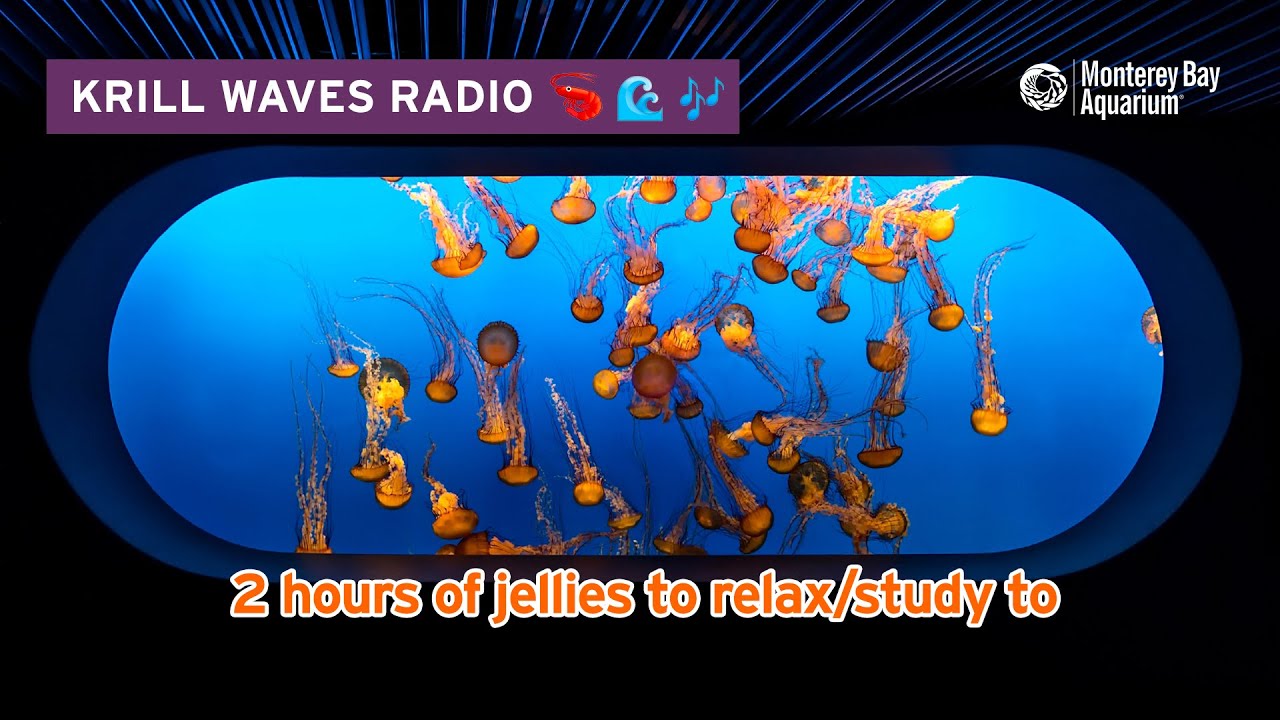 Source: youtube.com
The reason for this is due to the green florescent protein or aequorin proteins which allow they to glow. They are a kind of crown jellyfish, which means they have a deep groove around the bell that makes them look like a crown. A red crown with tentacles. At night, agitation can cause the bioluminescent proteins to react and attract.
 Source: frogx3.com
The scyphozoa class encompasses more than 200 jellyfish species worldwide. Fish, shrimp, crabs, tiny plants and even other species of jellyfish habitat: Jellyfish eat small plants, zooplankton, fish eggs and sometimes other jellyfish. Bioluminescence is the production of visible light by a living organism (herring 2004). The most famous must surely be atolla wyvillei, who.
Source: pinterest.com
These intriguing aquatic creatures lack a respiratory system, central nervous system, and circulatory system, exactly like other jellies. Lfa sonar used by ships and submarines is the loudest man made noise, reaching 200+ decibels. The atolla jellyfish, or atolla wyvellei (which is the species i will be focusing on) looks like a ufo and is a great example of how.
 Source: kickassfacts.com
Diameter is 6 inches around Fast facts eats crustaceans and other organic matter that floats by size: Just what the world was calling for! Jellyfish eat small plants, zooplankton, fish eggs and sometimes other jellyfish. Up to 2kg body size:
 Source: smithsonianmag.com
A red crown with tentacles. Fast facts eats crustaceans and other organic matter that floats by size: They predate the dinosaurs by hundreds of millions of years. They don't have a brain because they don't have a central nervous system! These are very tiny jellyfish, only growing about 170 milimeters wide.
 Source: oceanscubadive.com
It is basic info about the atolla wyvillei jellyfish also known as the corona. 2cm to 2m top speed: They have about 20 tentacles floating off of their bell, and then one really long one. Their bodies are made up water and protein. Some interesting bioluminescent creatures include the atolla, a deep sea jellyfish that uses it’s abilities to set.
 Source: shs-gr3project2014.weebly.com
Some of them have the property of being able to glow in the dark. 2cm to 2m top speed: A red crown with tentacles. Jellyfish have no bones, so fossils are hard to come by. Their cells (nematocysts) inject anything that brushes against them with toxins, which cause the sting.